
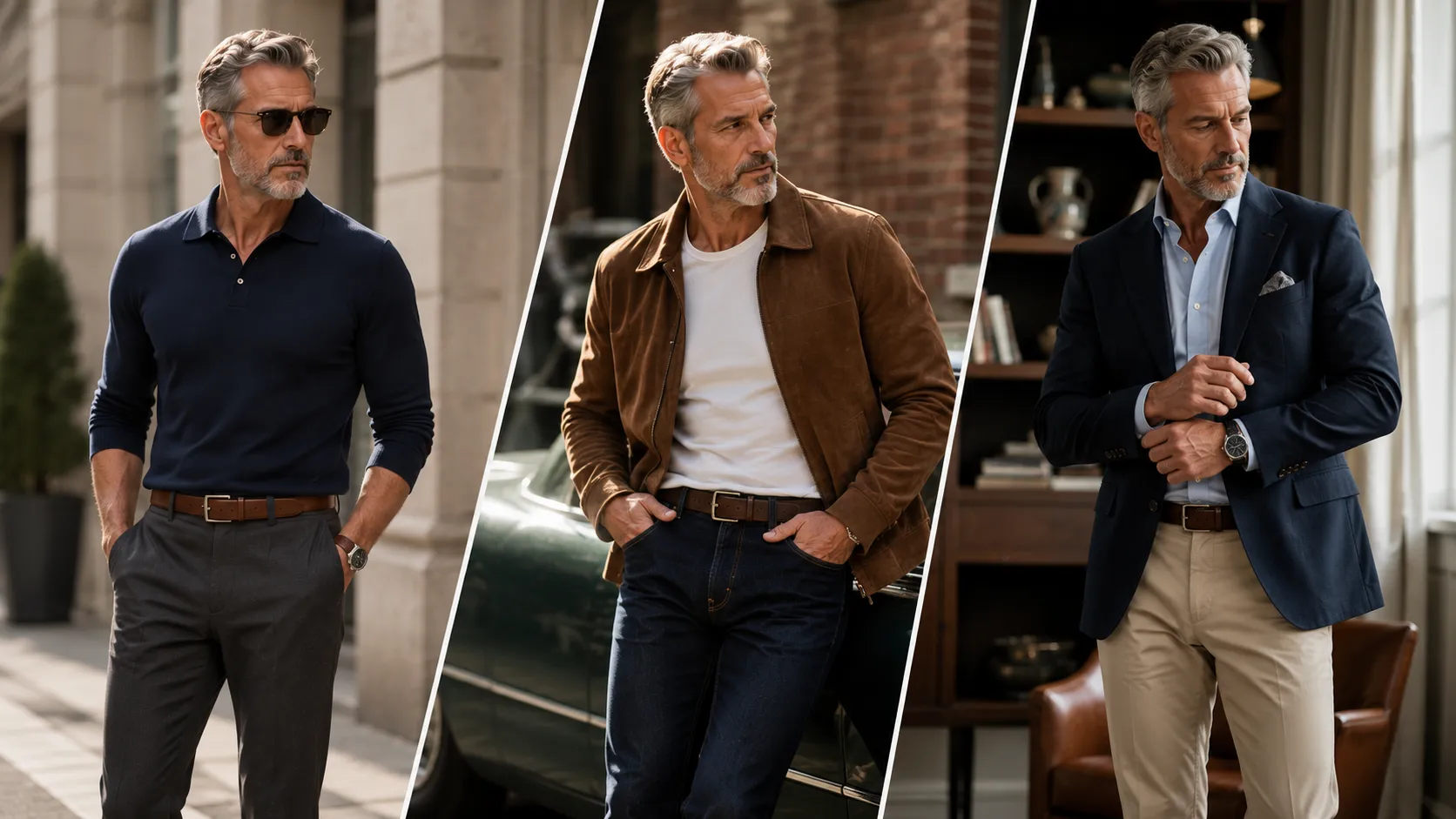
Your 50s do not mean giving up on style. They are a good time to stop buying clothes just because they are popular and start choosing pieces that actually suit you.
The right fit, better fabrics, and simple colors can make everyday outfits look much more put together without making you look like you are trying too hard.
Learning how to transition men’s style from 40s to 50s is really about small changes. You do not need to replace your whole wardrobe in one weekend.
A better approach is to look at what you already wear and slowly remove pieces that feel too young, too worn, or simply no longer fit the way you want.
The ideas below focus on practical changes you can make with jeans, shirts, jackets, shoes, colors, and accessories. Some are very small. Others may change the way you shop. The goal is a wardrobe that feels comfortable, mature, and still looks current.
1. Replace Trendy Fits With Clean, Straight Silhouettes
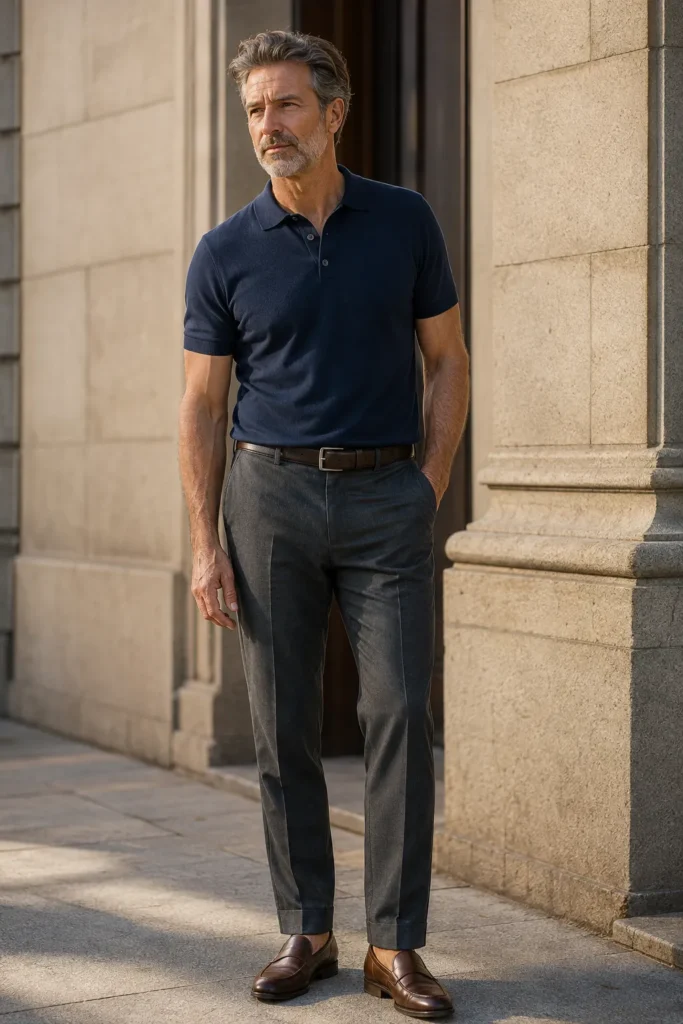
A good outfit can lose its shape when the clothes are too tight or too loose. After 50, a clean silhouette usually looks more natural and gives you room to move.
Start with your trousers and jeans. Look for a straight or gently tapered leg instead of an extremely skinny cut. Your shirt should follow your body without pulling across the chest or hanging far below the hips.
A simple fit check:
- Shoulders should sit close to your natural shoulder line.
- Shirts should skim the body instead of clinging to it.
- Trousers should fall cleanly without bunching heavily at the ankle.
- Sleeves should finish around the wrist bone.
- Jackets should close comfortably without pulling.
The goal is a neat outline, not a tight outfit.
2. Build Outfits Around Better Quality Basics
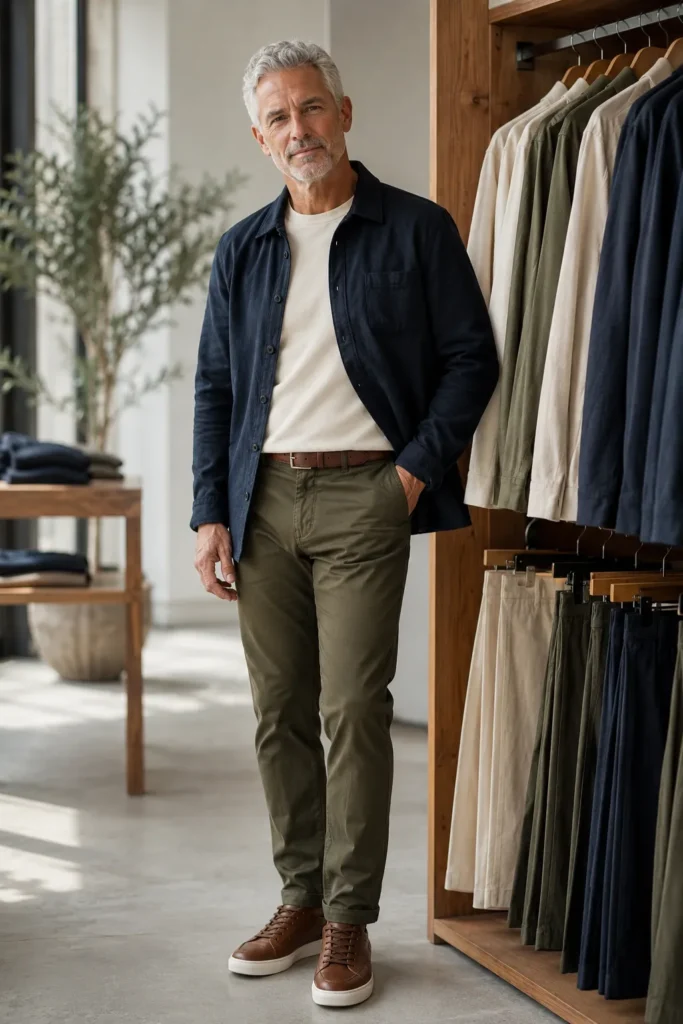
You do not need a closet full of expensive clothes. A few dependable basics can carry many outfits.
Start with pieces you wear often: a plain crew-neck shirt, a good button-down, dark jeans, chinos, a simple jacket, and leather shoes. Look for fabric that keeps its shape and feels good against your skin.
Quick shopping rule: before buying something new, ask yourself whether you can wear it with at least three things already in your closet.
A plain navy shirt that works with jeans, khakis, and grey trousers will earn more wear than a bold shirt that only works with one outfit.
💡 Quick Tip
Spend more attention on the pieces you wear every week. A well-fitting everyday shirt can do more for your wardrobe than a closet full of special occasion clothes.
3. Swap Faded Denim for Darker, Better-Fitting Jeans
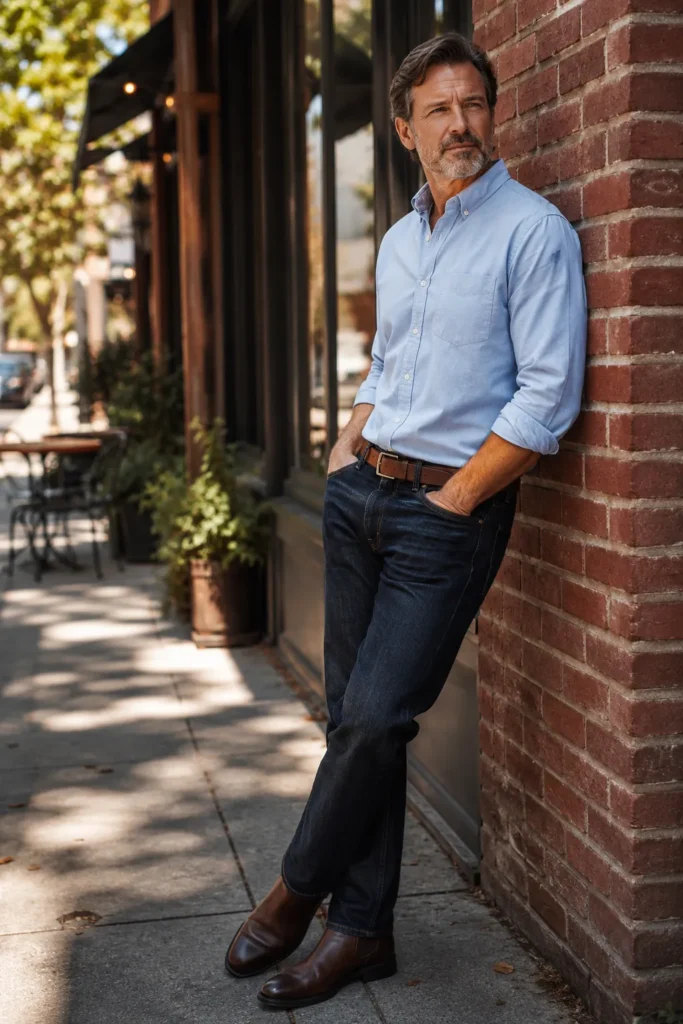
Jeans are often one of the easiest places to make a wardrobe look more polished. Very distressed or heavily faded denim can make an outfit feel more casual than you intended.
A dark indigo or deep blue pair gives you more options. Wear it with a simple knit shirt for a relaxed dinner, a button-down for a smarter look, or a casual jacket when you want more structure.
Keep the details simple. A clean pair with a straight or gentle taper usually works well for everyday outfits.
4. Make Neutral Colors Your Everyday Starting Point
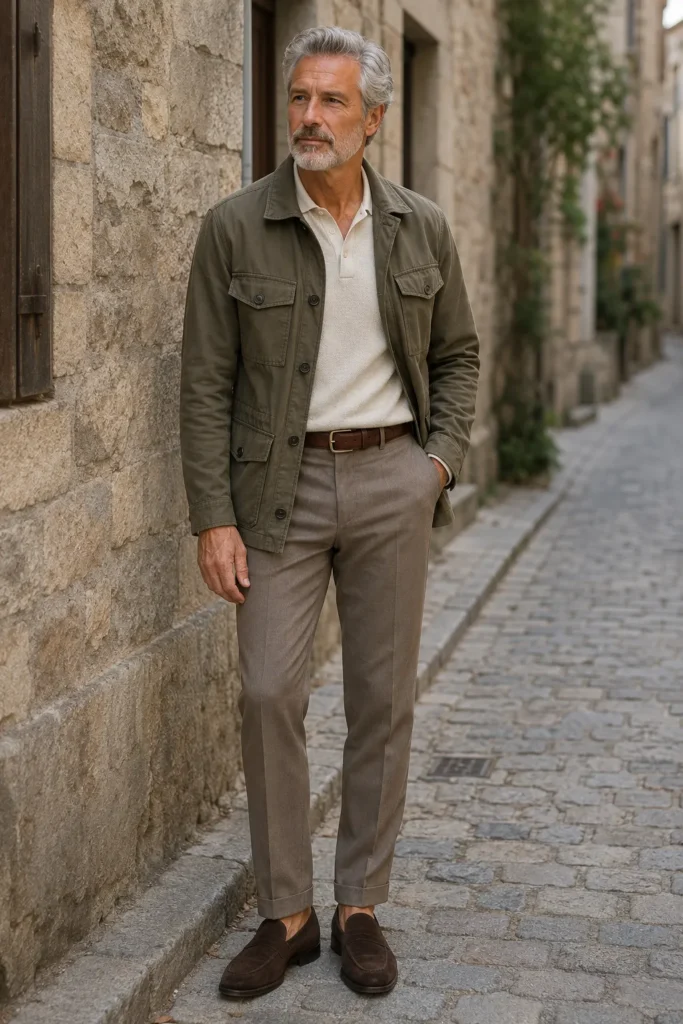
Color can change the whole feel of an outfit. You do not need to wear only black, navy, and grey, but neutral colors make it easier to build outfits that work together.
Try navy, charcoal, olive, cream, brown, stone, and muted blue as your main colors. Then bring in a stronger shade through one shirt, jacket, or accessory.
A useful trick is to keep two or three neutral colors in one outfit and let one item stand out.
A simple color checklist
5. Add a Casual Jacket That Gives Jeans a More Refined Look
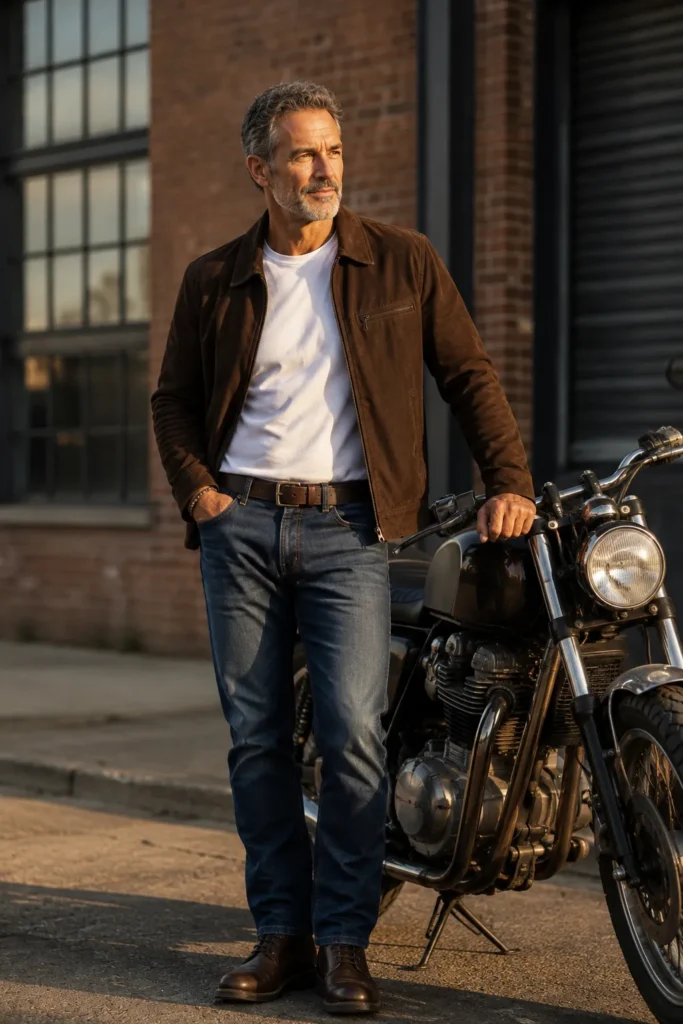
A simple jacket can change an ordinary jeans-and-shirt outfit in seconds. The trick is choosing a jacket with some structure without making it look like office clothing.
Try an unlined cotton jacket, suede jacket, field jacket, or clean overshirt. Keep the fit close to your body without making it tight. Earth tones, navy, dark brown, and olive are easy to pair with jeans.
Do: choose a jacket that ends around the hip and sits neatly at the shoulders.
Skip: jackets that are covered in large logos, excessive pockets, or very bright details.
Choose clean lines and a simple collar.
Pair the jacket with dark jeans and simple shoes.
Avoid jackets that are much too large through the body.
Skip too many loud details on one piece.
6. Choose Leather Shoes That Can Handle Both Casual and Smart Outfits
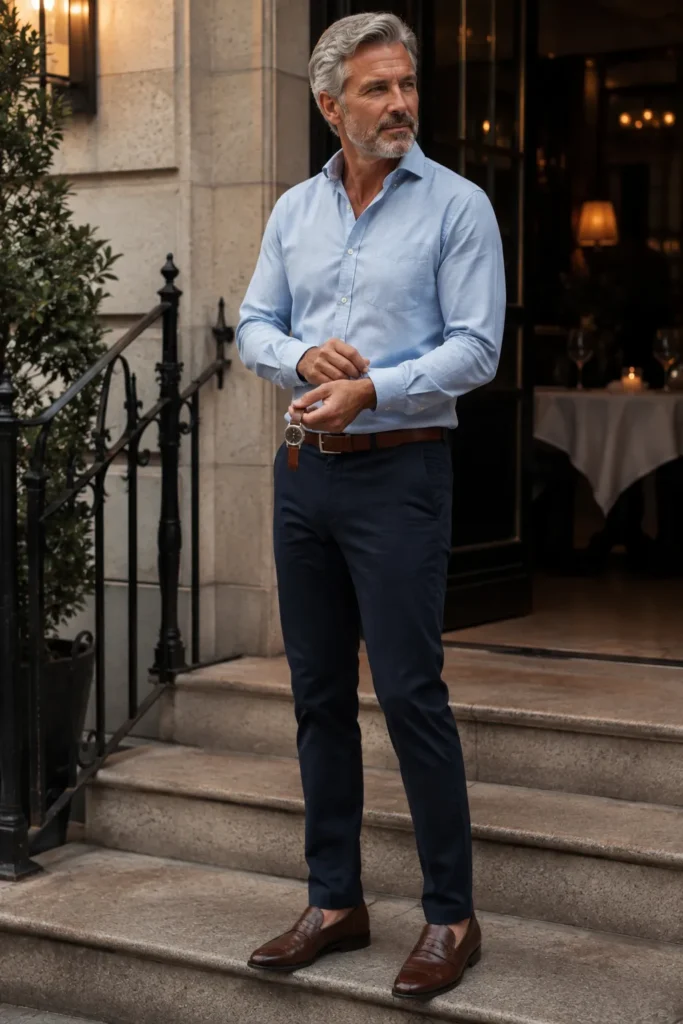
Shoes often tell people more about an outfit than they realize. You can keep your clothes relaxed and still make the whole look feel more grown-up with the right pair of shoes.
A simple leather loafer, derby, chukka, or clean leather sneaker can work with several outfits. Brown shoes pair well with navy, olive, cream, and denim. Black works especially well with charcoal, black, and darker blue.
A useful three-step check:
- Pick a simple shape without too many details.
- Match the shoe color with the rest of your outfit.
- Keep the leather clean and in good condition.
You do not need ten pairs. Two or three dependable pairs can cover most everyday situations.
Choose one brown leather pair for jeans, chinos, and casual jackets.
Add a darker pair for dinners, events, and dressier trousers.
Keep one clean sneaker for relaxed weekends and simple daytime outfits.
7. Wear Shirts With Structure Instead of Oversized Casual Tees
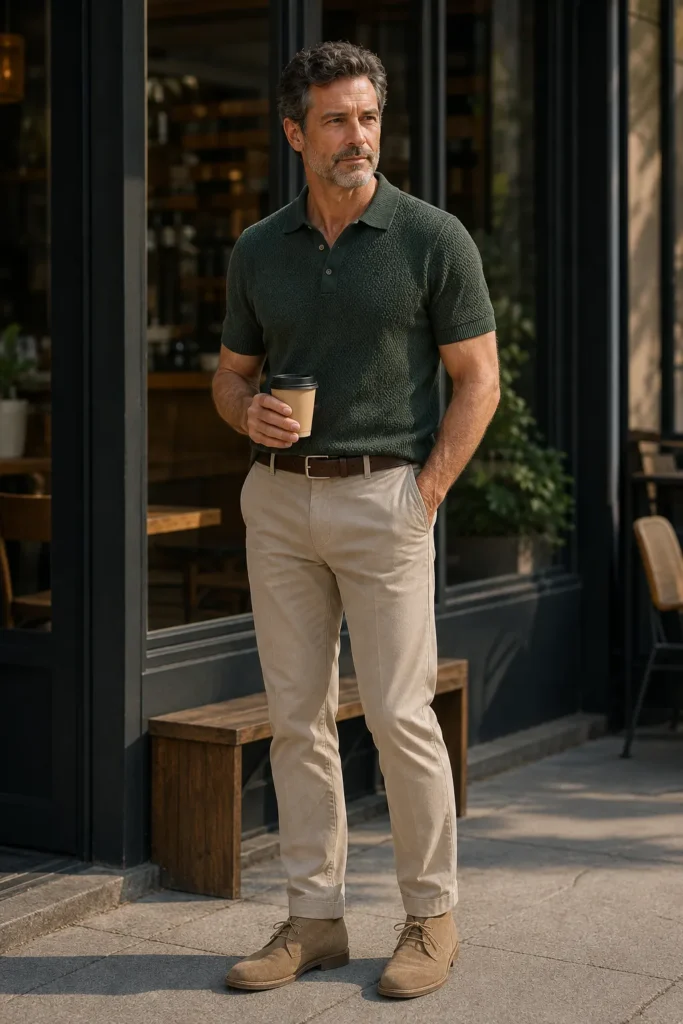
A loose T-shirt can be useful at home or for very casual days, but a structured shirt gives you more shape with very little effort.
Try an Oxford shirt, knit polo, linen button-down, or a heavier cotton shirt. These pieces still feel comfortable, but they create a cleaner line around your shoulders and chest.
A shirt does not need to be tucked in every time. Leave it untucked with jeans for a relaxed outfit, or tuck it into chinos when you want a cleaner finish.
The small change is easy to see: the outfit feels more intentional without looking formal.
Very loose T-shirt, worn jeans, and casual shoes can leave the outfit looking unfinished.
A knit polo or button-down with well-fitting trousers gives the same comfort with a cleaner outline.
8. Use One Strong Accessory Instead of Several Small Ones
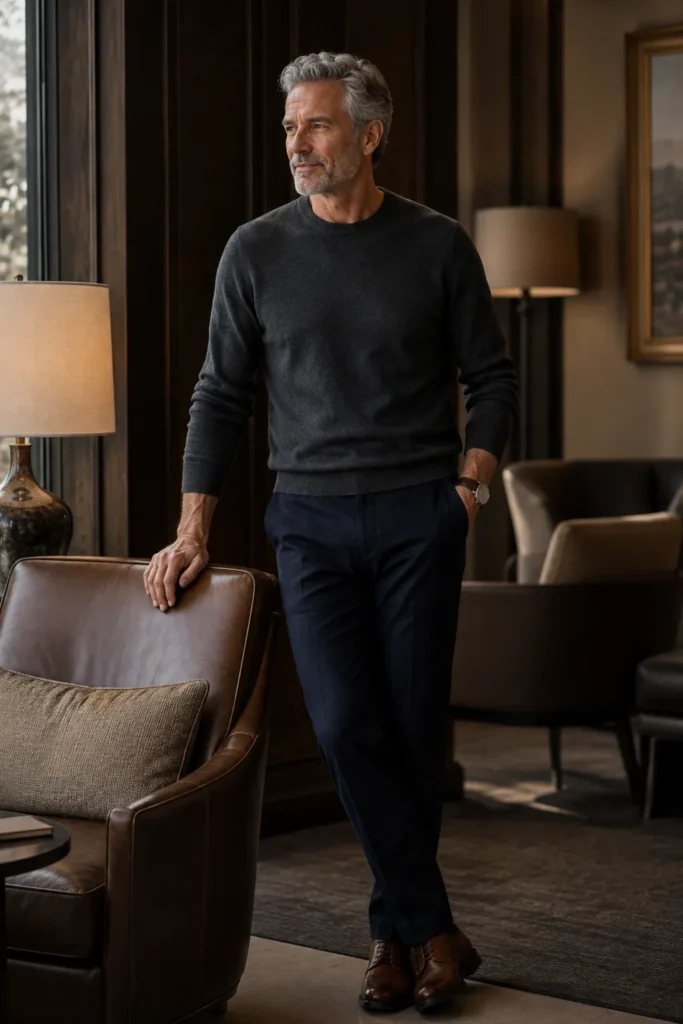
Accessories should support your outfit, not compete with it. A good watch, leather belt, simple sunglasses, or understated ring can be enough.
The easiest mistake is adding too many pieces at once. If your shirt already has a bold pattern, keep the accessories quiet. If the clothes are simple, one strong accessory can give the outfit more character.
Think about the role of each item before putting it on.
| Simple Outfit | Stronger Outfit |
|---|---|
| Plain shirt + jeans | Patterned shirt + jeans |
| Add a classic watch | Keep the watch and other accessories simple |
| Brown leather belt | Plain belt with matching shoes |
9. Give Your Wardrobe a Modern Look With Textured Fabrics
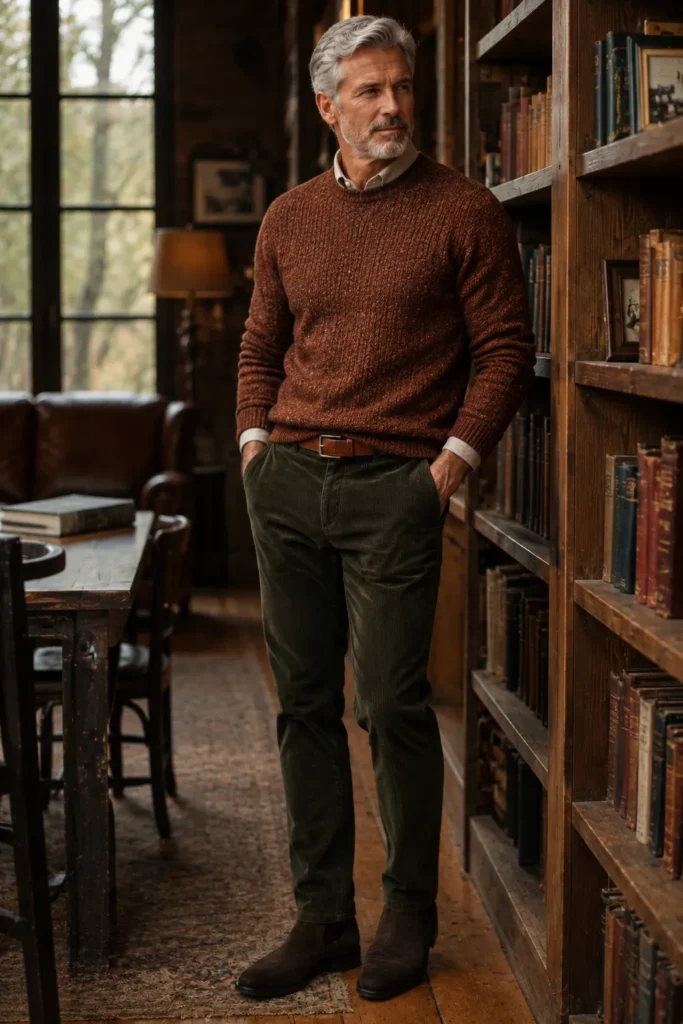
A wardrobe can look fresh without relying on bright colors or young-looking trends. Texture gives simple clothes more depth.
Try a knitted polo, brushed cotton overshirt, suede jacket, corduroy trousers, or a textured sweater. These fabrics make a plain outfit feel more interesting while keeping the colors calm.
Texture also works well during cooler months. A navy knit with grey trousers, for example, has enough detail to stand on its own without needing a loud pattern.
The key is to combine textures instead of stacking several heavy fabrics together.
When your colors are simple, texture can give the outfit enough interest without needing bold prints or extra accessories.
10. Learn the Easy Formula for Dressing Well on Casual Days
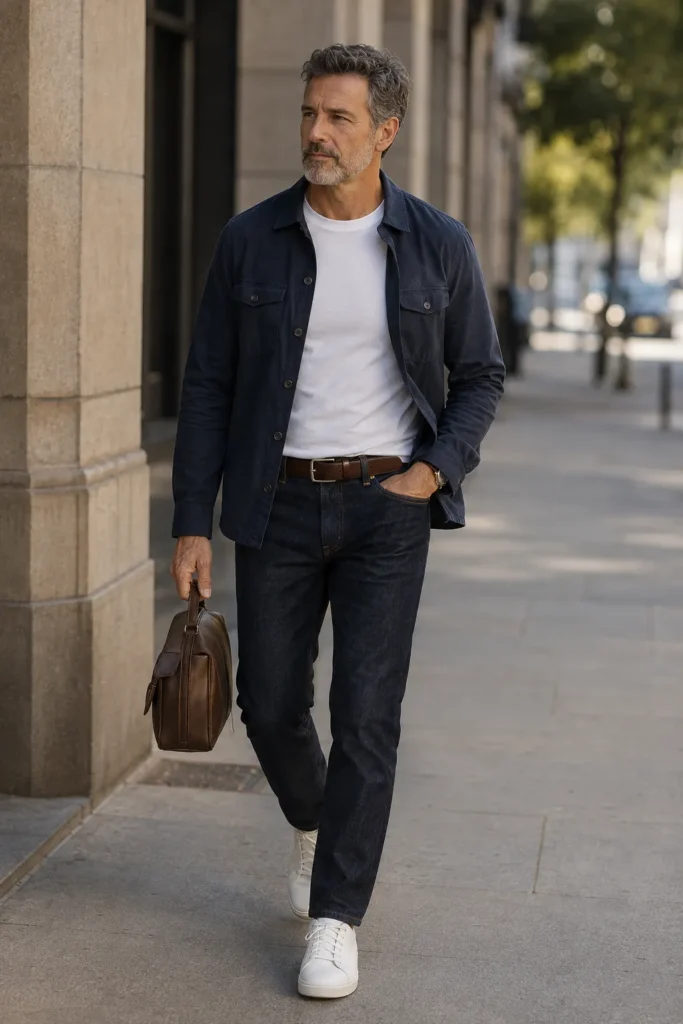
Casual does not have to mean putting on the first three things you find. A simple outfit formula makes getting dressed much easier.
Start with one comfortable base, add one structured piece, then finish with clean shoes. For example, a plain T-shirt can work with straight jeans, an overshirt, and leather sneakers. Chinos can work with a knit polo, lightweight jacket, and loafers.
Keep this formula in mind on mornings when you have no idea what to wear.
💡 Quick Tip
Use the 3-piece casual formula: comfortable base + structured layer + clean shoes. Change the pieces, but keep the basic formula.
11. Trade Loud Patterns for Subtle Checks, Stripes, and Texture
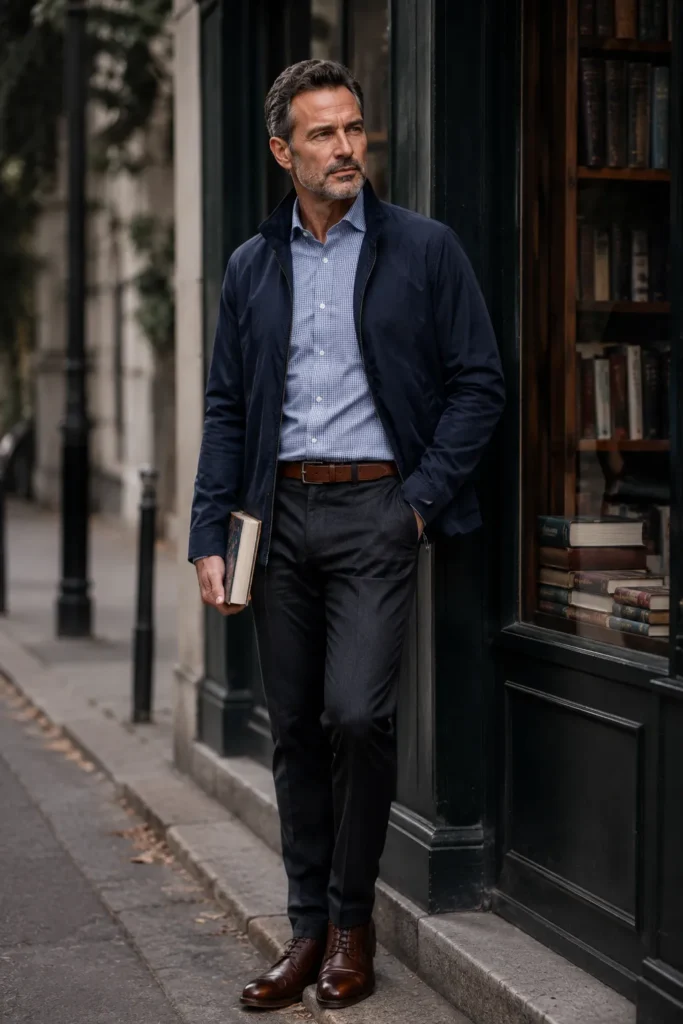
Patterns can still be part of your wardrobe. The difference is choosing patterns that work with the rest of your clothes instead of taking over the whole outfit.
A small check shirt with dark jeans can look relaxed and mature. Thin stripes can also work well under a jacket or sweater. If you prefer bolder patterns, keep the rest of the outfit simple.
Three easy choices to start with:
Keep large graphics, oversized logos, and several competing patterns out of the same outfit. One interesting pattern is usually enough.
12. Add a Relaxed Blazer for Dinners, Events, and Nights Out
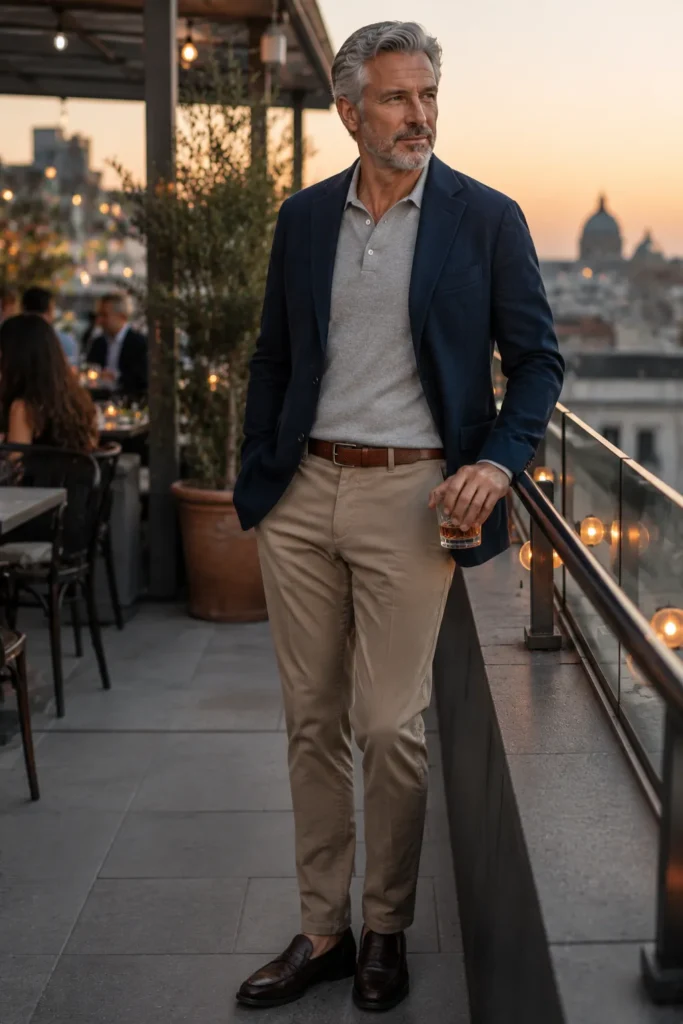
There are days when jeans and a shirt feel too casual, but a full suit feels like too much. A relaxed blazer fills that gap.
Choose an unstructured blazer in navy, brown, charcoal, or another easy neutral. Wear it with a knit polo, Oxford shirt, or plain crew-neck shirt. Dark jeans can work for a relaxed evening, while chinos or wool trousers can make the outfit more polished.
Before leaving the house, check three things:
Blazer checklist
A relaxed blazer should feel like an easy part of your wardrobe, not something you are saving for a special occasion.
13. Match Your Belt, Shoes, and Watch Without Making It Look Forced
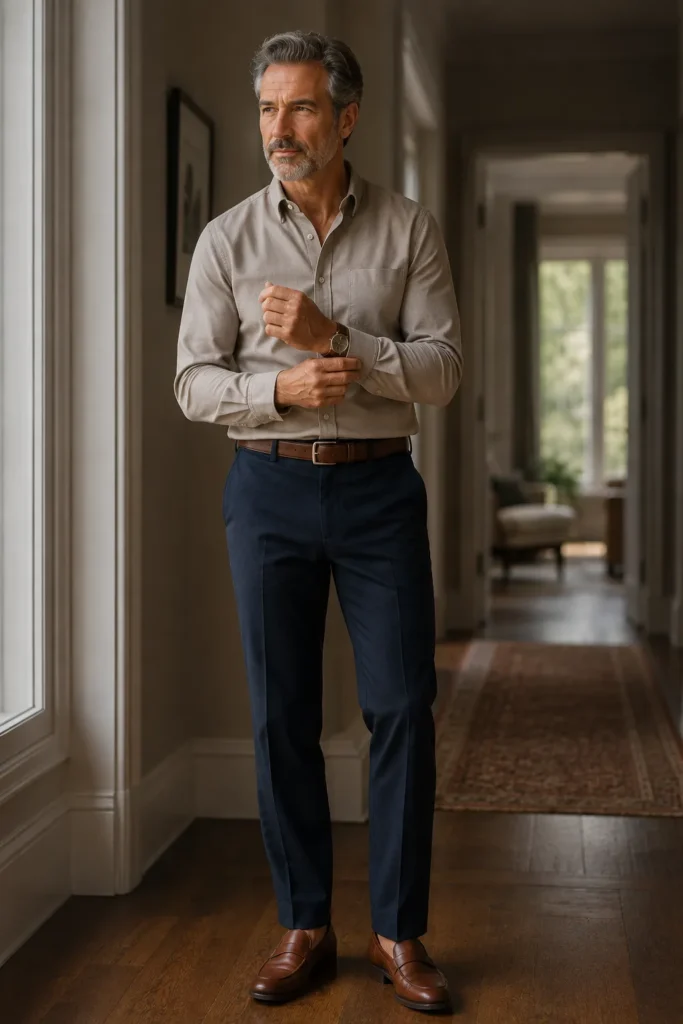
Small details can make an outfit feel more put together. Your belt and shoes do not need to be an exact match, but keeping their tones close usually creates a cleaner finish.
For example, a medium brown leather belt works naturally with medium or dark brown shoes. A black belt makes sense with black shoes. Your watch strap can follow the same general color family.
Keep the rest simple. You do not need matching leather on every item you wear.
This kind of coordination is easy to miss, but it helps simple outfits look finished.
14. Keep Your Clothes Relaxed Without Letting Them Look Sloppy
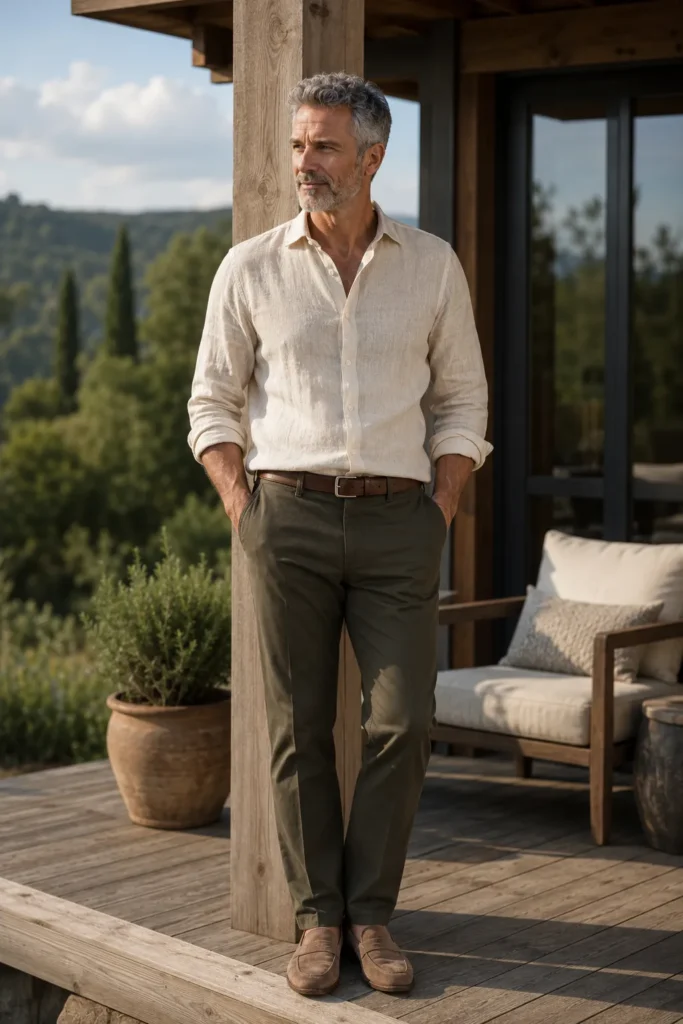
Comfort becomes more important as your daily routine changes, but comfortable clothing can still have a clear shape.
The problem is usually not relaxed clothing itself. It is clothes that have lost their shape, trousers that bunch at the bottom, stretched collars, or shirts that are much too large.
Use this quick three-step check before heading out:
Check the shoulders and sleeves. They should sit in the right place.
Check the trouser length. Too much fabric around the shoe can make the outfit look untidy.
Check the condition of the clothes. Replace pieces with stretched collars, worn elbows, or badly faded fabric.
A relaxed outfit should look intentional from head to toe.
15. Create a Simple Signature Look You Can Wear With Confidence
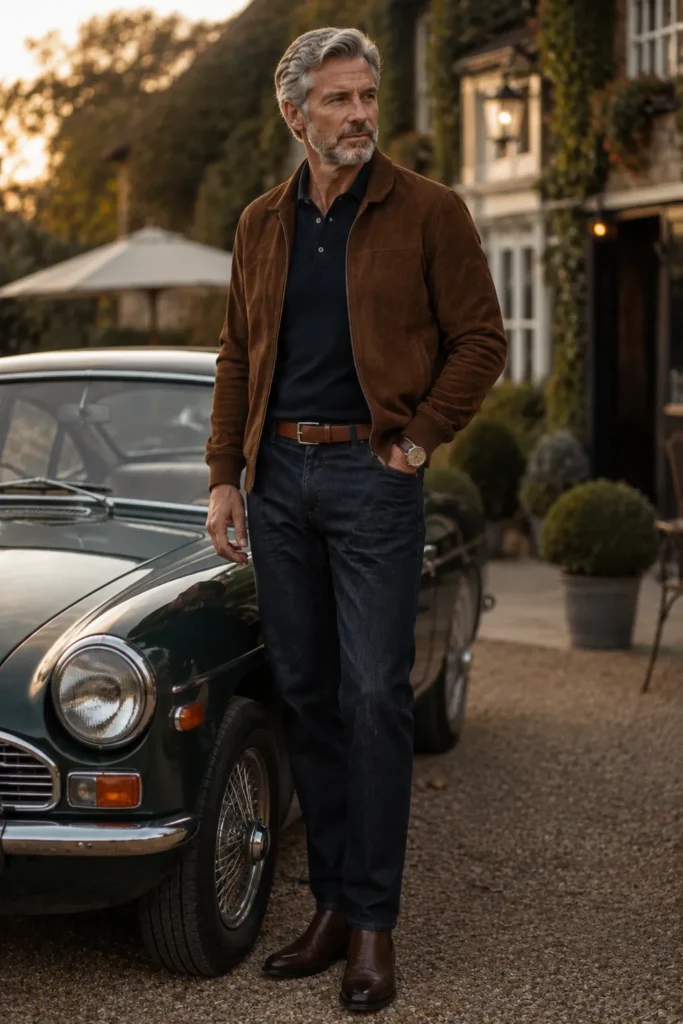
You do not need a completely different outfit every day. In fact, having a few combinations that always work can make getting dressed much easier.
Your signature look could be dark jeans with a knit polo and leather shoes. It could be chinos with an Oxford shirt and a casual jacket. Or maybe you prefer trousers, a crew-neck sweater, and loafers.
The important part is finding a combination that feels like you and repeating it in different colors and fabrics.
A few colors you wear often.
Two or three reliable outfit formulas.
Shoes and accessories that feel natural to you.
Buying every new trend you see.
Changing your style completely from one day to the next.
Keeping clothes that no longer fit your current life.
The best personal style is usually the one you can repeat without thinking too hard. Once you find that formula, shopping becomes easier because you know exactly what belongs in your closet.