

Choosing between wool and cotton can be confusing when you want clothes that feel good, look smart, and last for years. Both fabrics have a place in a mature man’s wardrobe, but they work in different ways.
Cotton feels soft and light, while wool offers warmth and helps manage body moisture.
The right choice depends on the weather, the type of clothing, and how you plan to wear it. A cotton shirt may be a good choice for a warm afternoon, while a wool sweater can keep you comfortable on a cold morning.
In this guide, you will learn how to compare wool and cotton before buying clothes. We will look at shirts, trousers, sweaters, and jackets, along with fabric quality, fit, and care. You will also learn what to check before spending money on a new outfit.
You do not need an expensive wardrobe to make good choices. A few well-made wool and cotton pieces can cover most daily needs.
Time and Difficulty Strip
What You Need
What You Need
At a Glance
Wool vs Cotton: 9 Steps at a Glance
- Check the weather before choosing a fabric
- Compare how wool and cotton feel on your skin
- Choose wool or cotton based on breathability
- Pick the right fabric for shirts and trousers
- Select wool or cotton for sweaters and jackets
- Check the fabric weight and quality before buying
- Test the fit and comfort before paying
- Learn how to wash and care for each fabric
- Build a wardrobe that uses both fabrics
Step 1: Check the Weather Before Choosing a Fabric
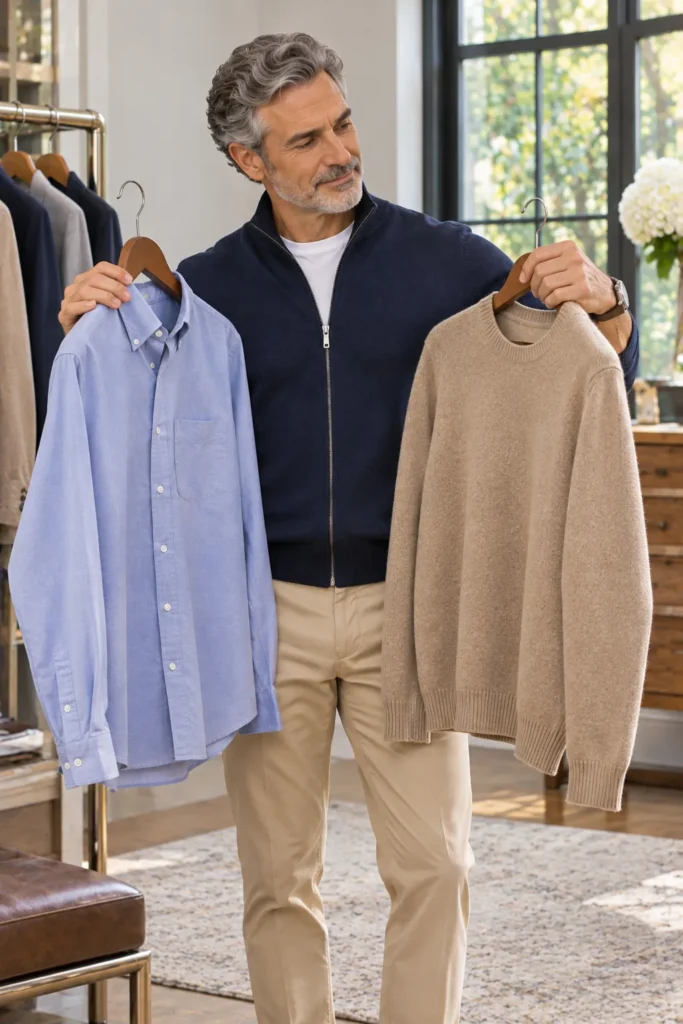
Start by checking the weather in your area and the season you are buying clothes for. Cotton works well in warm weather because it feels light and allows air to move through the fabric.
Wool is a better choice for cool days because it holds warmth.
For summer shirts, look for lightweight cotton. For winter sweaters and coats, consider wool. If your area has changing temperatures, keep both fabrics in your wardrobe so you can dress comfortably throughout the year.
Step 2: Compare How Wool and Cotton Feel on Your Skin
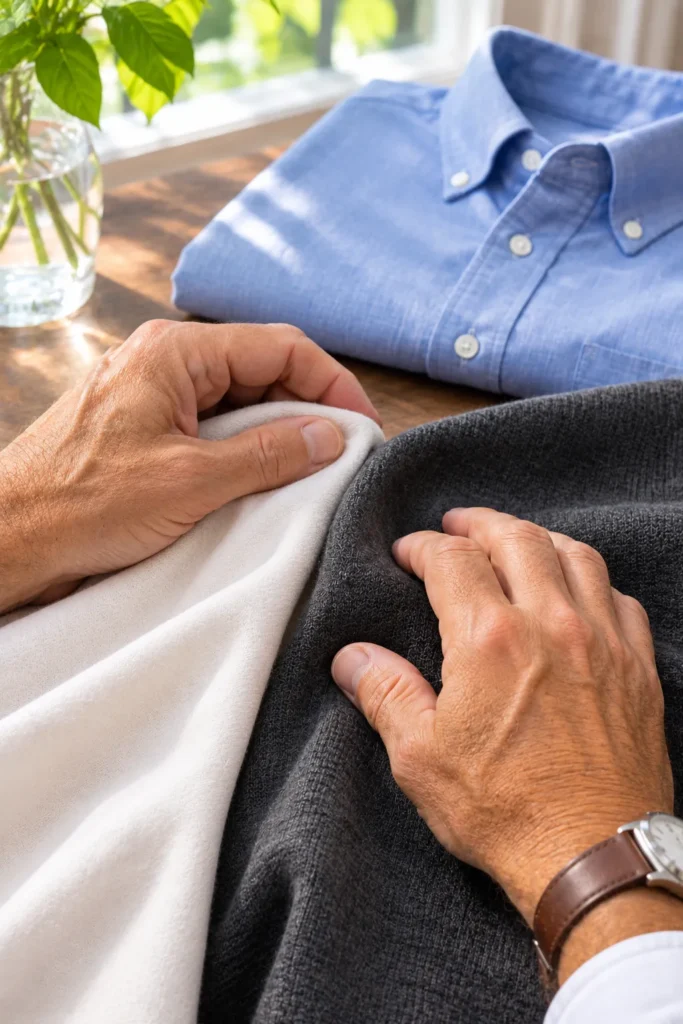
Touch both fabrics before making a purchase. Good-quality cotton usually feels soft and smooth against the skin. Wool can feel warm and soft, but some types may feel rough or itchy.
Merino wool is a good option if you want a softer wool fabric. Hold the material against your wrist or neck for a few seconds to check for discomfort.
If you have sensitive skin, try the garment before buying it. A soft fabric can make a big difference during long days.
Step 3: Choose Wool or Cotton Based on Breathability

Think about how much you sweat during the day. Cotton absorbs moisture and feels comfortable in warm weather, but it can stay damp after heavy sweating.
Wool, especially merino wool, can manage moisture and help your body stay comfortable across changing temperatures.
For outdoor walks, travel, or long days, lightweight merino wool can be a useful choice. For everyday summer wear, a cotton shirt is often more comfortable.
Check the fabric thickness too, as heavy material can feel warm even if it allows airflow.
Step 4: Pick the Right Fabric for Shirts and Trousers

Your choice of fabric can change how comfortable and smart your outfit looks. Cotton shirts are a good choice for daily wear, office outfits, and warm days. Look for Oxford cotton or poplin if you want a neat appearance.
For trousers, cotton chinos work well with polo shirts, button-down shirts, and casual jackets. Wool trousers are better for formal outfits, business meetings, and cooler weather.
Choose a straight or slim-straight fit that gives your legs enough room without looking loose.
Fabric tip: Navy wool trousers and beige cotton chinos are two useful choices for a mature man’s wardrobe.
Step 5: Select Wool or Cotton for Sweaters and Jackets
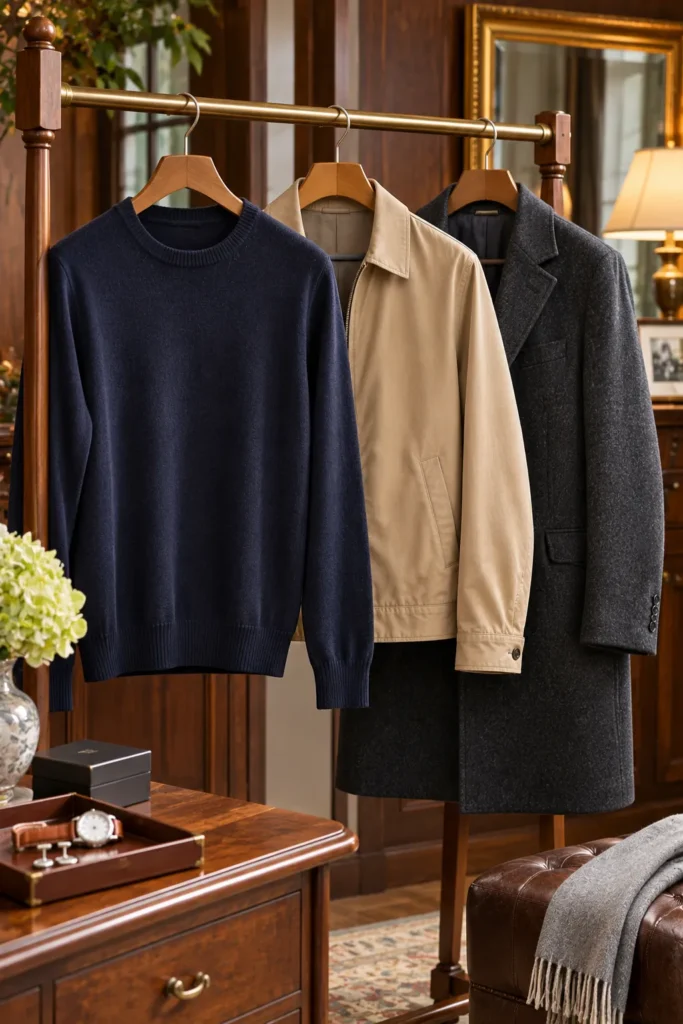
Wool is a strong choice for sweaters, cardigans, and winter jackets because it helps keep your body warm. Merino wool sweaters are soft enough for regular wear, while lambswool offers a thicker feel for colder days.
Cotton sweaters work well during mild weather and indoor use. They are often lighter and easier to wear over a shirt.
For jackets, consider a wool coat for winter and a cotton jacket for spring or mild autumn days. Pick a style that works with your trousers and shoes.
Pro Tip
A navy merino wool sweater can work with grey trousers, dark jeans, and beige chinos. It gives you several outfit choices without buying many different sweaters.
Step 6: Check the Fabric Weight and Quality Before Buying

Do not judge a garment by its color or price alone. Check the fabric label to see whether it is 100% wool, 100% cotton, or a blend. Blended fabrics can offer useful features, but you should know what you are paying for.
Hold the garment up to the light and check for thin spots, loose threads, and uneven stitching. Feel the material between your fingers.
Good fabric should feel consistent across the garment. For wool clothing, check for a smooth finish and a neat surface without excessive loose fibers.
Heads Up
A high price does not always mean better fabric. Read the care label and fiber content before buying. Some garments sold as wool contain only a small amount of wool mixed with synthetic fibers.
Step 7: Test the Fit and Comfort Before Paying
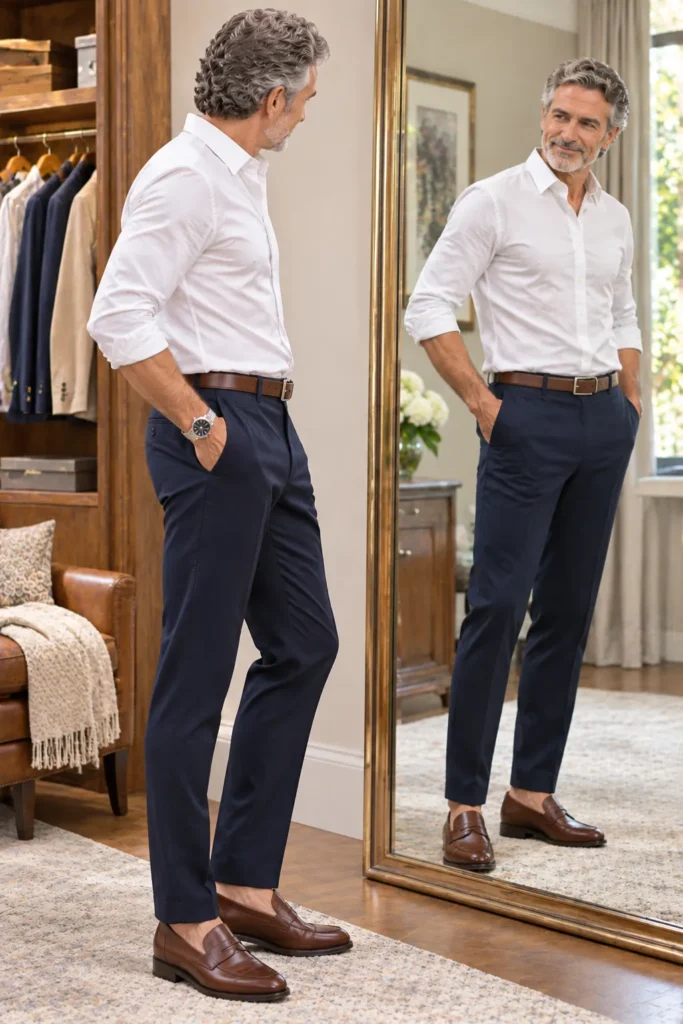
A good fabric will not look right if the garment does not fit your body. Try on the clothing and check how it feels when you sit, stand, and move your arms.
The shoulders should sit in the right place, and the sleeves should end near your wrists.
For trousers, check the waist, thigh, and leg length. Avoid very tight fits that restrict movement. Men over 50 often look smart in well-fitted clothes with enough room for comfort. Check the garment in a full-length mirror before making your choice.
Step 8: Learn How to Wash and Care for Each Fabric
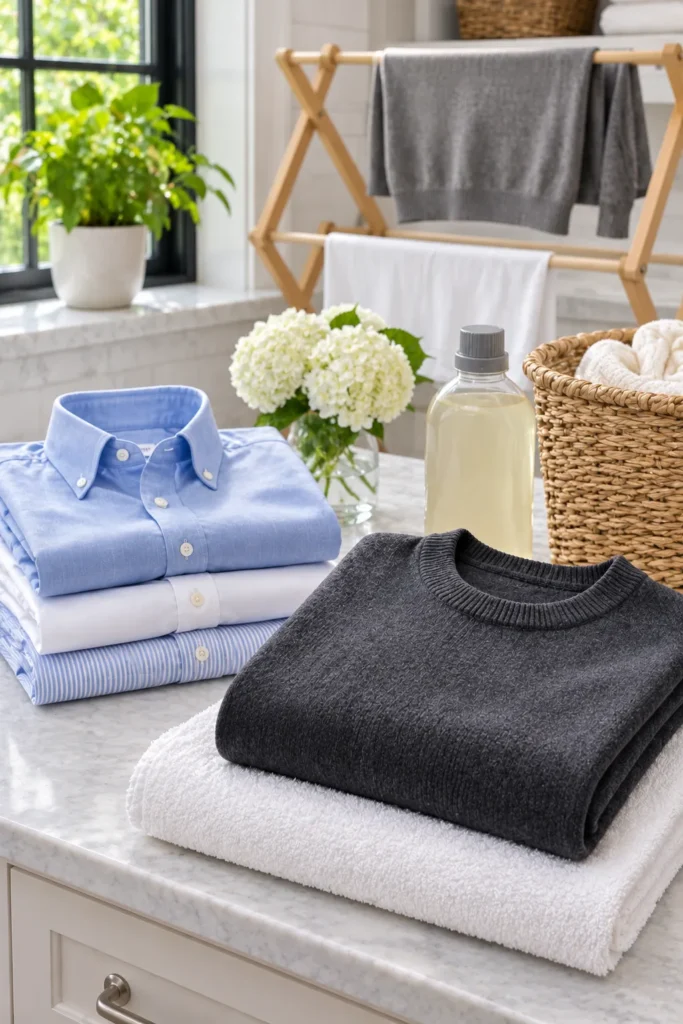
Read the care label before washing any wool or cotton garment. Cotton shirts can usually go in the washing machine, but always follow the temperature and washing instructions. Cold or warm water can help reduce shrinking.
Wool needs more care. Some wool garments require hand washing or dry cleaning, while others can be machine washed on a wool cycle.
Use a wool-safe detergent and avoid twisting wet wool. Lay sweaters flat on a clean towel to dry so they keep their shape.
Pro Tip
Fold wool sweaters instead of hanging them. Hanging can stretch the shoulders and change the shape over time. Store clean wool clothing in a dry place.
Step 9: Build a Wardrobe That Uses Both Fabrics
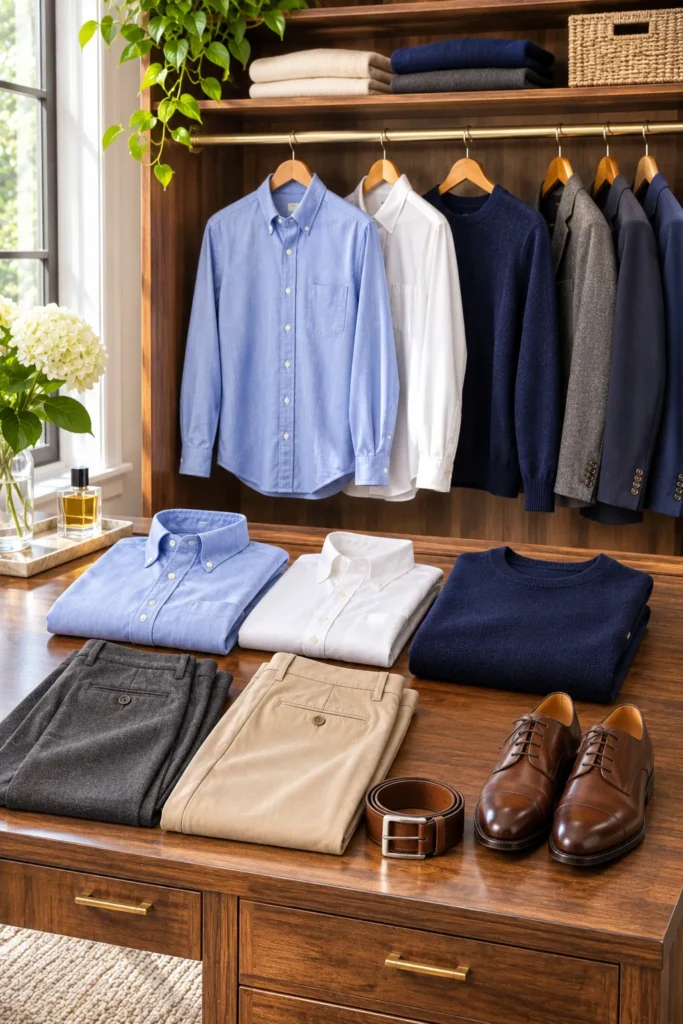
You do not need to choose only wool or cotton. Both fabrics can work together in a practical wardrobe. Start with a few basic pieces that you can wear in different seasons.
Consider adding these items:
- Two or three cotton shirts in white, light blue, and soft grey.
- One pair of beige cotton chinos.
- One pair of navy or charcoal wool trousers.
- One navy or grey merino wool sweater.
- One cotton casual jacket.
- One wool coat for colder weather.
These pieces give you options for casual outings, office wear, family events, and formal occasions. Choose neutral colors so your clothes work well together.
Common Fabric Problems and How to Fix Them
Wool and cotton both have a few problems that can affect comfort, appearance, and clothing life. Use this table to avoid common issues.
Wool vs Cotton: Troubleshooting Guide
| If This Happens | Try This |
|---|---|
| Wool feels itchy on your skin | Try merino wool or wear a soft cotton layer underneath. |
| Cotton clothes shrink after washing | Follow the care label and avoid high washing temperatures. |
| Wool sweaters lose their shape | Dry them flat and fold them for storage. |
| Cotton stays wet after sweating | Choose a lighter cotton fabric or try lightweight merino wool. |
| Wool clothing develops small pills | Use a fabric comb or wool-safe fabric shaver gently. |
Frequently Asked Questions
Wool vs Cotton: Common Questions
1. Is wool better than cotton for men over 50?
Neither fabric is always better. Wool works well in cold weather, while cotton is a good choice for warm days and everyday shirts.
2. Can men over 50 wear wool in summer?
Yes. Lightweight merino wool can work in warm weather because it manages moisture and helps control body temperature. Choose a thin fabric rather than a heavy sweater.
3. Is cotton more comfortable than wool?
Cotton often feels softer against the skin, but fine merino wool can also feel very comfortable. Your skin sensitivity and the fabric quality both matter.
4. Which fabric lasts longer, wool or cotton?
Both can last for years with good care. Quality, fabric weight, stitching, and washing habits affect how long clothing lasts.
5. Is wool more expensive than cotton?
Wool clothing often costs more, especially garments made from fine merino wool or cashmere. Cotton usually offers more budget-friendly choices.
6. Can I wear wool and cotton together?
Yes. A cotton shirt under a wool sweater is a classic combination. It gives you comfort, warmth, and a neat appearance.
Quick Reference Card: Wool vs Cotton for Men Over 50
Use this checklist when shopping for new clothes. It will help you choose the right fabric without spending money on items you may not need.
Wool vs Cotton: Quick Buying Guide
A practical clothing checklist for men over 50
What You Need
- Cotton shirt for daily wear
- Cotton chinos for casual outfits
- Merino wool sweater for cool weather
- Wool trousers for formal outfits
- Wool coat for winter
- Clothing care labels for fabric details
Your 9-Step Checklist
- Check the weather and season.
- Feel both fabrics against your skin.
- Compare breathability and moisture control.
- Choose suitable shirts and trousers.
- Select sweaters and jackets for the season.
- Check fabric weight, stitching, and quality.
- Test the fit before paying.
- Read washing and care instructions.
- Build a wardrobe with both fabrics.
Quick Decision
Choose cotton for warm days, everyday shirts, and casual trousers. Choose wool for cold weather, formal trousers, sweaters, and winter coats.
Conclusion
Wool and cotton both deserve a place in a man’s wardrobe after 50. Cotton is a great choice for daily comfort, while wool works well for warmth and smart outfits.
Use both fabrics to dress well in every season. Start with a good cotton shirt and a quality wool sweater, then add more pieces as needed.
Save this guide on Pinterest so you can check it again before your next clothing purchase.